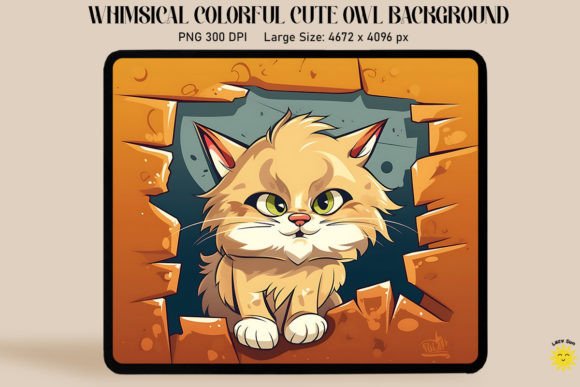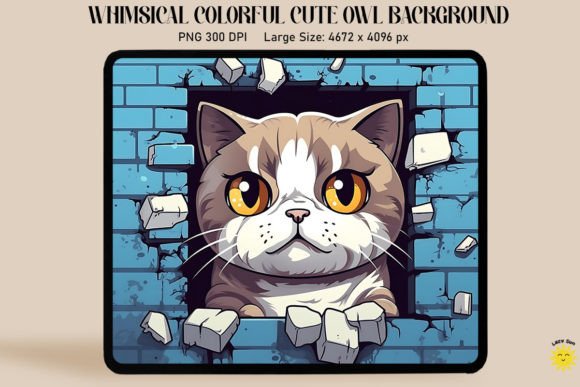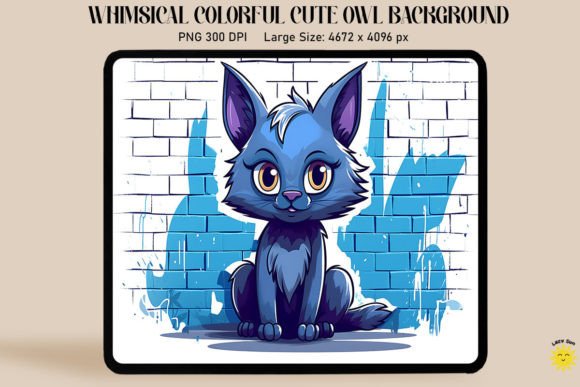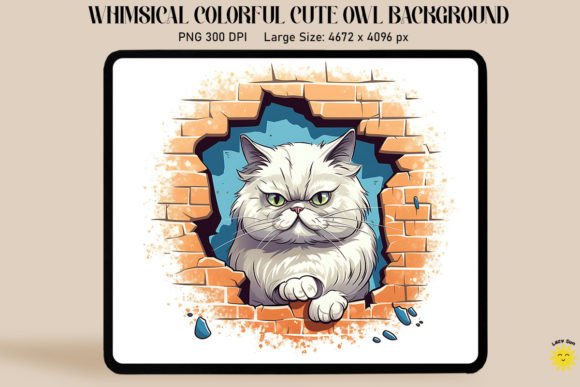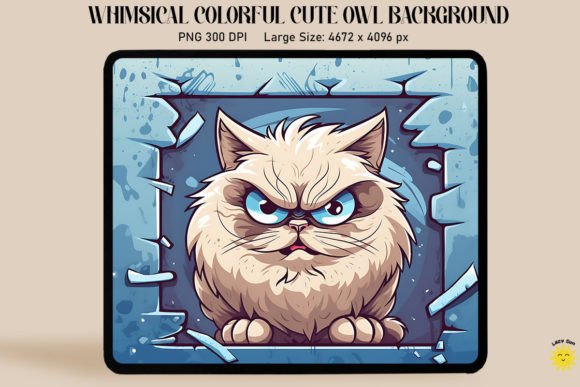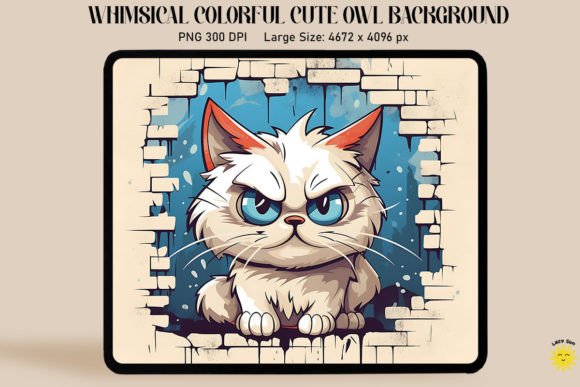
3D Graffiti Cartoon Birman Cat
As a designer who spends half my life staring at stitch charts and the other half trying to convince clients that embroidery is worth the premium price tag, I have developed a very specific set of eyes. I don’t just look at a design; I look at how it will behave under the needle, how it will age after twenty washes, and whether it will actually sell on a boutique shelf. When I first pulled up the 3D Graffiti Cartoon Birman Cat, I didn’t immediately think "traditional heirloom." I thought "streetwear." I thought "modern youth culture." And frankly, that is exactly where this design shines.
This isn’t your grandmother’s floral sampler. This is a bold, graphic statement piece that bridges the gap between digital art and tactile craft. If you are an Etsy seller, a small shop product creator, or a craft business owner looking for items that pop in social media feeds, this machine embroidery design deserves a serious look. But before you load it into your hoop, let’s break down what makes this embroidery project tick and where it might trip you up.
The First Impression: Street Style Meets Soft Touch
The visual personality of the 3D Graffiti Cartoon Birman Cat is immediate. It carries a high-energy, urban vibe that feels fresh without being chaotic. The "graffiti" aspect suggests loose lines and vibrant energy, while the "cartoon Birman" aspect grounds it in cuteness and approachability. For me, the success of any design assets lies in that balance. If it’s too messy, it becomes a stitching nightmare. If it’s too clean, it loses its edge.
In terms of visual appeal, this design works because it relies on strong silhouettes. The cat’s form is distinct enough that even if some of the finer details get lost in thick thread, the overall image reads perfectly. This is crucial for custom apparel. You want your customer to recognize the subject within three seconds of seeing it. The 3D effect implied in the title suggests depth, which means the designer likely used varying stitch directions or layering techniques to create shadow and highlight. That kind of detail elevates a simple tote bag design from a generic gift to a curated fashion item.
Real-World Application: Where Does This Fit?
I recently imagined using this design for a batch of oversized hoodies targeted at young adults and teenagers. Why? Because the graffiti aesthetic pairs naturally with streetwear fabrics like heavy cotton blends or fleece. However, I also see incredible potential in more unexpected places. Let’s talk about a real-life scenario: preparing a custom embroidered patch for a denim jacket or a canvas tote bag design.
When I test a new embroidery file, I always ask myself, "Who buys this?" The answer here is broad. It fits the personalized gift market perfectly. Parents buying for kids who love cats, teens buying for their friends, or even pet owners looking for a stylized version of their own pets. The versatility allows it to work as sweatshirt embroidery, but also as decor. Imagine this stitched onto a neutral-colored pillow cover for a nursery or a teen’s bedroom. The contrast between the soft fabric and the gritty, artistic style creates a sophisticated tension that modern buyers love.
For commercial embroidery projects, this design has high perceived value. It doesn’t look like a clip-art stamp; it looks like a commissioned illustration. That distinction matters when you are pricing your handmade product. Customers are willing to pay more for something that feels unique and artistically driven. If you are listing this on Etsy, make sure your mockups reflect that energy. Use printable mockup backgrounds that feature concrete walls, neon lights, or urban textures to complement the graphics nature of the source file.
Technical Considerations and Stitch Behavior
Now, let’s get practical. As an experienced reviewer, I cannot stress enough that a beautiful PNG does not automatically translate to a perfect stitch-out. The product description notes that this includes 01 PNG files with a size of approx 4672 x 4096 px at High resolution 300 DPI. While these specs confirm the image is crisp for digital use, they do not tell us about the underlying embroidery structure. Since this is categorized under Backgrounds and Graphics, it may be intended as a digitized raster or a vector-based outline rather than a fully coded .dst or .pes file. If you are receiving this as a graphic to trace or digitize yourself, you need to be careful.
If this is already a digitized digital embroidery file, you must check the stitch density. Graffiti styles often use long, sweeping lines. On a tote bag design made of thin canvas, those long stitches can pucker the fabric. On a thick sweatshirt, they might sink in too much. You need to inspect the running stitch areas closely. Are they dense enough to hold their shape? Are there enough fill stitch areas to provide texture, or is it mostly outlines?
Another critical factor is the thread colors. The Birman cat is white with dark points (ears, tail, face). In embroidery, stitching white thread on white fabric is risky unless you use a contrasting stabilizer or a textured stitch pattern like a satin stitch border. If you are stitching this on a dark background, the white fur needs to be opaque. Check the underlay stitches. Without proper underlay, white thread can look transparent and cheap, ruining the professionalism of the finished product.
Where to Be Careful: Pitfalls to Avoid
Not every surface is created equal. There are specific scenarios where the 3D Graffiti Cartoon Birman Cat might struggle:
- Small Hoop Sizes: If you try to shrink this design down to fit a tiny hat band or a small baby onesie chest area, you will lose the character. The "graffiti" elements rely on space to breathe. Keep the hoop size large enough to preserve the integrity of the lines.
- Stretchy Fabrics: While jersey knits are popular for t-shirts, they require excellent stabilizers. A complex, multi-directional design like this can distort on stretchy material if the stabilizer isn’t heavy-duty enough. Always test on scrap fabric first.
- Textured Fabrics: Avoid using this on boucle wool or heavily nubby fabrics. The fine details of the cartoon face will get swallowed by the fabric texture. Stick to smooth surfaces like cotton twill, denim, or smooth fleece for the best clarity.
- Dense Stitch Areas: If the design has large blocks of color, ensure your machine can handle the thickness. Thick layers of thread can cause needle breakage or bobbin issues, especially if you are using metallic threads for the graffiti accents.
Final Verdict for Designers and Sellers
The 3D Graffiti Cartoon Birman Cat is a strong contender for anyone looking to add a trendy, youthful edge to their inventory. It moves away from the saturated market of traditional floral and cute animal designs, offering something that feels more like a brand logo or a street art sticker brought to life.
For the embroidery designer, the key is execution. Take the time to choose the right stabilizer. Test the thread colors against your chosen fabric. If you are selling this as a digital product, provide clear instructions on resizing and digitization, since the provided PNGs are high-resolution graphics that may need to be converted depending on your workflow.
Ultimately, this design succeeds because it has personality. In a sea of generic embroidery project options, personality sells. Whether it ends up on a holiday gift box, a custom apparel piece for a music festival, or a kitchen towel for a hipster home, it brings a spark of fun and creativity. Just remember: good design starts with a great file, but a great finished product comes from careful testing and professional finishing. Treat this design with respect, test it thoroughly, and you’ll have a small business merchandise item that customers will want to show off.