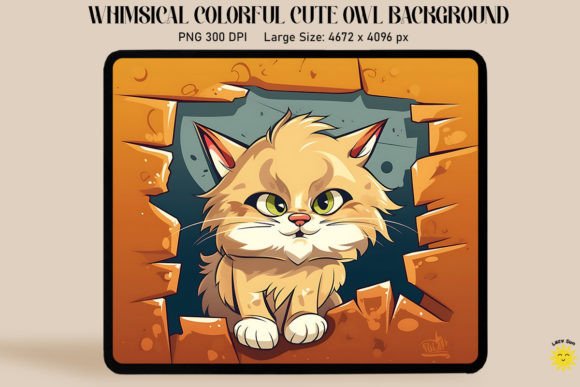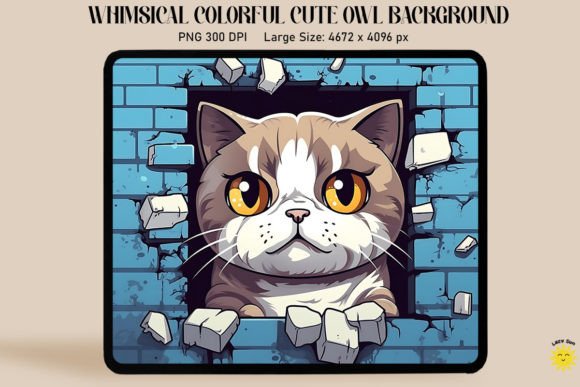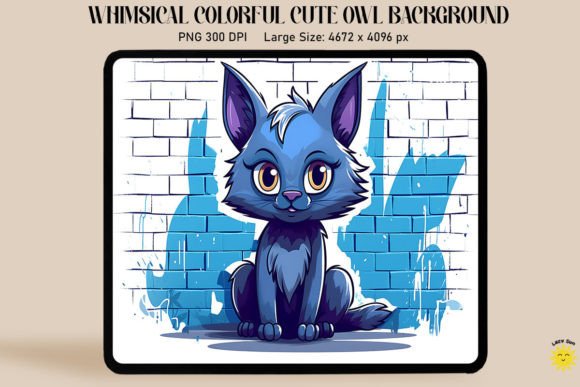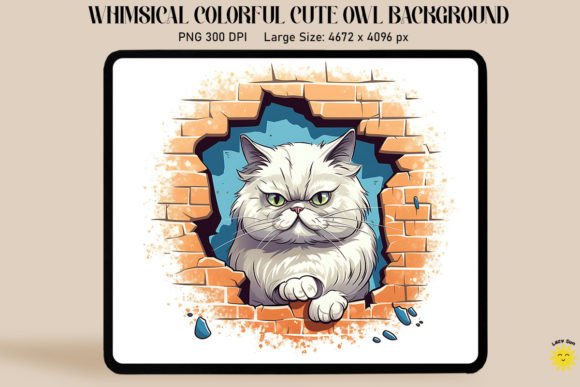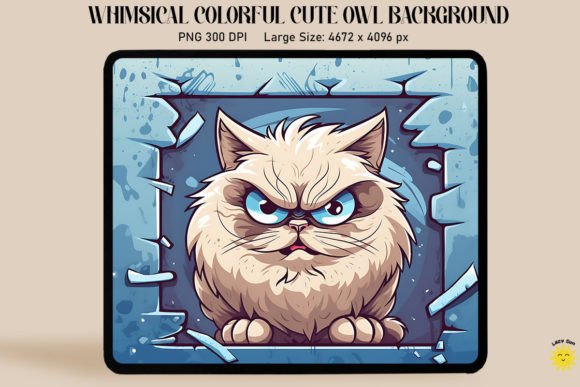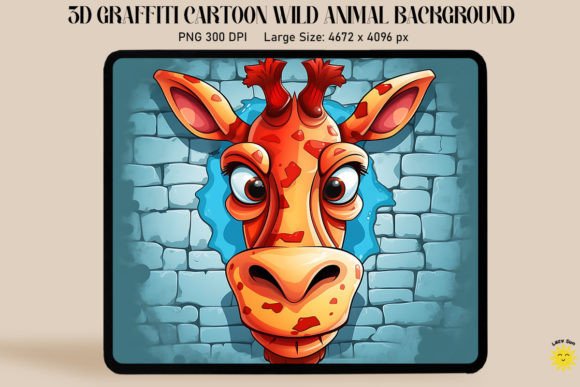
3D Graffiti Cartoon Gorilla
As a designer who spends half my life staring at stitch charts and the other half trying to convince clients that embroidery isn’t just "old-fashioned buttonholes," I approach every new design asset with a mix of excitement and skepticism. When 3D Graffiti Cartoon Gorilla landed in my inbox, I didn’t just see a file; I saw potential inventory for my own small shop and a risky but rewarding challenge for a custom client order. The description promises high-resolution graphics suitable for resizing, which is always a relief in an era where digital assets often fall apart when scaled down for smaller hoop sizes.
First Impressions: Mood and Visual Personality
The moment you open the Backgrounds category and pull up this graphic, the energy shifts. This isn’t your grandmother’s floral monogram. The 3D Graffiti Cartoon Gorilla brings a streetwear edge that feels incredibly relevant right now. The visual personality is bold, playful, and slightly rebellious, yet contained within a cartoonish framework that keeps it approachable rather than aggressive.
From a design standpoint, the composition works because it balances chaos with structure. The graffiti elements suggest movement and texture, while the gorilla character anchors the piece with a recognizable silhouette. For those of us looking to create custom apparel or unique handmade products, this kind of visual hook is gold. It grabs attention on a crowded Etsy feed or a craft fair table without needing loud marketing copy. It feels like something a teenager would wear to a skate park, but also something a millennial might buy as a quirky gift for a partner who loves urban art aesthetics.
Real-World Application: Where Does It Fit?
I recently had a project come across my desk for a boutique clothing line that needed a statement piece for their summer drop. We were looking for something that could work on a heavyweight cotton sweatshirt or a durable canvas tote bag. 3D Graffiti Cartoon Gorilla immediately came to mind. Here is how I see it performing in actual production scenarios:
- Sweatshirt Embroidery: The chunky nature of the design translates beautifully to fleece or French terry. The 3D effect implied by the graphic suggests depth that can be mimicked with proper thread layering. It adds instant value to a basic blank, turning a $15 hoodie into a $45 boutique item.
- Tote Bag Design: Canvas is a forgiving fabric. Placing this embroidery project on a natural or black canvas tote creates a striking contrast. It appeals to the student demographic and the eco-conscious shopper alike. It’s functional art.
- Baby Embroidery: This is where judgment calls matter. While the theme is edgy, the "cartoon" aspect softens it. I’ve seen similar designs used on baby onesies for parents who want to step away from pastel florals. However, size matters here. On a tiny chest area, the details might get lost, so scaling is critical.
- Embroidered Patch: If you are selling accessories, this design makes for a fantastic detachable patch. Customers love adding personality to backpacks and denim jackets. It serves as a great small shop product that doesn’t require complex garment construction.
Technical Considerations and Stitch Execution
Let’s talk about the nitty-gritty. As a reviewer, I have to look past the pretty picture and think about the needle. The source file is provided as a PNG at approximately 4672 x 4096 pixels with 300 DPI. This is excellent for digitizing or using as a reference guide for manual stitching techniques like applique or free-motion work.
However, translating a raster image into a machine-readable format requires careful planning. The graffiti style likely involves irregular shapes and potentially fine lines. Here is what I advise before you commit to a full run:
- Stitch Density Check: Graffiti art often relies on solid fills. Ensure your digitizer (or your settings if you are doing it yourself) doesn’t over-stitch these areas, which can cause puckering on lighter fabrics. A balanced stitch density is key to maintaining the crisp edges of the gorilla’s outline.
- Thread Colors: The design’s impact relies heavily on color choice. If you are using a satin stitch for the outlines, choose a thread color that contrasts sharply with your base fabric. On dark fabrics, white or bright neon threads will pop, whereas on light fabrics, you might need a darker outline to define the shape.
- Hoop Size Constraints: Because the dimensions are large, you may need to split the design or use a larger hoop. If you are working with a standard 5x7 hoop, you will need to resize significantly. Remember, reducing size too much can turn distinct graffiti tags into muddy blobs. Always test on scrap fabric first.
- Stabilizer Selection: For custom apparel like t-shirts, a cut-away stabilizer is non-negotiable to prevent stretching. For stiffer items like caps or aprons, a tear-away might suffice, but given the weight of the design, I’d err on the side of caution and use something more supportive.
Pitfalls to Avoid
Not every surface is a friend to this design. There are specific situations where 3D Graffiti Cartoon Gorilla might fail to deliver the professional finish you want:
- Stretchy Fabrics: Unless you are using heavy-duty stabilizers, delicate knits may pucker under the tension of a dense fill stitch.
- Small Hoops: Trying to fit the full detail into a 4x4 hoop will result in a loss of character. The subtleties of the graffiti background will disappear.
- Textured Fabrics: Bouclé wool or thick chenille can hide the intricate lines of the design. Stick to smooth surfaces like cotton, polyester blends, or canvas for maximum clarity.
- Dense Stitch Areas: If the design includes small lettering or thin decorative accents, ensure these aren’t compressed. Tiny text is notoriously difficult to read after washing, especially on curved surfaces like caps.
Commercial Viability and Branding
For the Etsy seller or craft business owner, this design offers versatility. It fits seamlessly into several trending niches: streetwear-inspired fashion, urban nursery decor, and gift items for men or boys who typically struggle to find unique handmade gifts. The "3D" aspect of the title suggests a modern aesthetic that aligns well with current social media trends, making it easy to create printable mockups that sell themselves.
When presenting this as a finished product, focus on the craftsmanship. Show close-ups of the thread texture. Highlight how the design stands out against different fabric backgrounds. Whether you are selling the physical item or offering the digital embroidery file as a design asset, the key is to demonstrate its adaptability. Use it on a tea towel for a housewarming gift, or on a pillow cover for a dorm room. The emotional connection comes from the uniqueness of the graphic combined with the tangible quality of embroidery.
Final Verdict
3D Graffiti Cartoon Gorilla is a strong addition to any designer’s library if you cater to a younger, trend-aware audience. It bridges the gap between digital graphic design and traditional textile arts effectively. Just remember: the file provides the vision, but your execution—through proper stabilizer use, thread selection, and testing—determines the success of the final piece. Treat it with respect, test it thoroughly, and you’ll have a bestseller on your hands.