3D Graffiti Happy Bulldog Embroidery Review
As a designer who spends more time than I care to admit staring at stitch density charts and fabric swatches, I have learned that not every digital graphic translates well into thread. There is a specific friction point where creativity meets the physical limitations of an embroidery machine, and it is there that many products fail. This week, I pulled 3D Graffiti Happy Bulldog from my queue of potential assets to see if it holds up under the scrutiny of real-world production. The goal was simple: determine if this design can support a viable handmade product line or if it remains a pretty picture that falls apart when stitched.
First Impressions and Visual Personality
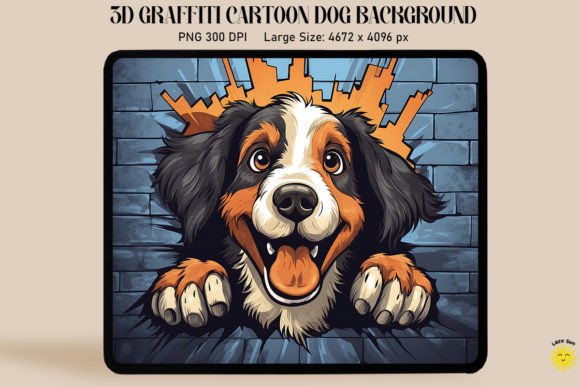
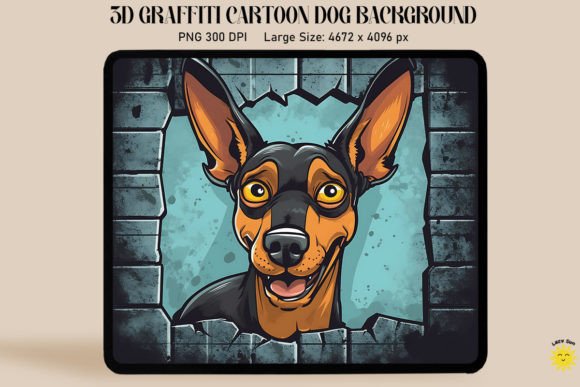
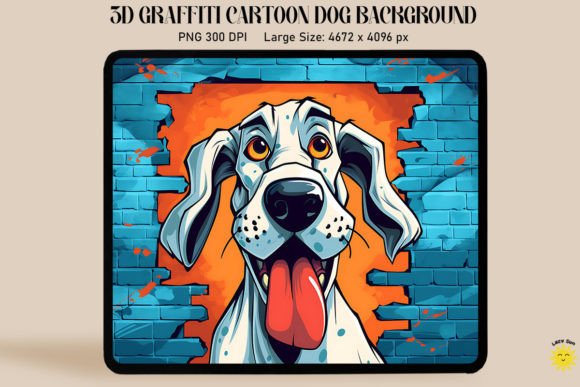
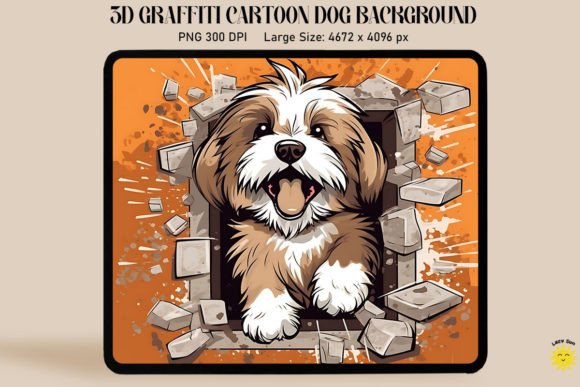
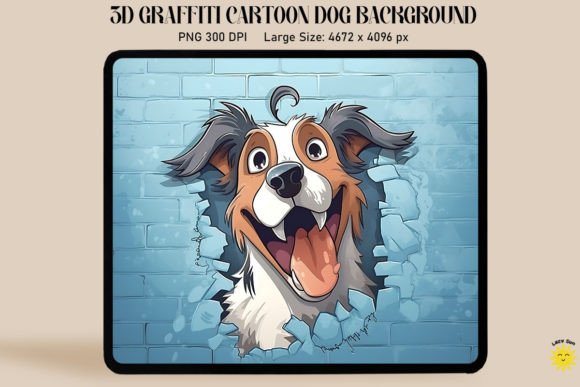
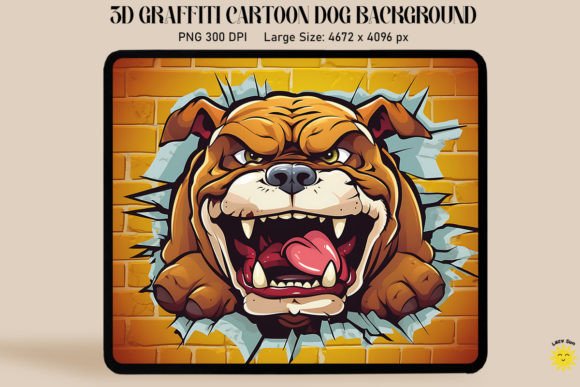
The moment you load the file, the mood is set. The title suggests a blend of urban street art aesthetics with the classic, sturdy charm of a bulldog. In the realm of backgrounds and graphics, this piece stands out because it doesn’t rely on delicate florals or generic typography. Instead, it offers a bold, textured look that mimics spray paint and rough edges. For an embroidery project, this is a high-risk, high-reward aesthetic. The "graffiti" style implies chaos and movement, but the subject matter—a happy bulldog—grounds it in familiarity and warmth.
Visually, the design feels energetic. It appeals directly to those looking for custom apparel that makes a statement. When I looked at the layout, I immediately thought about how the negative space would handle thread breaks. The thick outlines suggest a reliance on heavy satin stitch work, which is excellent for durability but requires careful planning to avoid puckering. The visual personality is confident, slightly rebellious, yet approachable. It screams "streetwear," but with a twist of softness that makes it suitable for broader audiences, including families and young adults.
Real-World Application: From Screen to Stitch
To truly judge this asset, I had to imagine it on actual merchandise. Let’s talk about a specific scenario: a boutique running a pop-up shop for holiday gifts. They need items that photograph well on Instagram and feel premium in hand. 3D Graffiti Happy Bulldog fits perfectly into a collection of tote bag design options or perhaps as the centerpiece of a sweatshirt embroidery drop.
Imagine a heavy cotton canvas tote bag. The graffiti style contrasts beautifully against the natural weave of the fabric. The bold lines would catch the light differently than standard lettering, giving the finished product a tactile quality that customers appreciate. Alternatively, consider a baby item, like a hooded towel or a nursery wall hanging. Here, the "happy" aspect of the bulldog shines. The graffiti elements soften the image, making it less corporate and more artistic. It transforms a standard gift into something that looks curated by a human, not generated by a template.
I also envision this working exceptionally well as an embroidered patch. If applied to denim jackets or backpacks, the rugged aesthetic complements the material. The design has enough detail to justify its presence without being so intricate that it becomes fiddly to finish. It sits comfortably in the category of commercial embroidery because it has broad appeal. It isn’t niche; it’s trendy. For an Etsy seller or a small shop product creator, this versatility is gold. It allows you to market the same design across multiple categories—from kitchen towels to pillow covers—without feeling repetitive.
Technical Considerations and Potential Pitfalls
However, enthusiasm must be tempered with technical reality. Not every surface is created equal, and 3D Graffiti Happy Bulldog demands respect from the embroiderer. One area where caution is needed is small hoop sizes. While the design is resizable, shrinking a complex graffiti pattern too far can cause details to merge. The thin lines that define the spray-paint effect might disappear or become muddy if the stitch count is reduced excessively. Always test the design in your target hoop size before committing to bulk production.
Fabric choice is equally critical. The design relies on contrast. On dark fabrics, you will need bright, vibrant thread colors to ensure the graffiti elements pop. On light fabrics, darker threads will provide sharp definition. But beware of textured fabrics like bouclé or heavy terry cloth unless you are using a substantial stabilizer. The uneven surface can cause needle deflection, leading to misaligned stitches. Similarly, stretchy knits require a strong tear-away or cut-away stabilizer to prevent the design from distorting during wear. If you are applying this to a curved surface like a cap, pay close attention to the center alignment. The bulldog’s face should remain symmetrical even as the fabric curves away from the machine head.
Another consideration is the density of the fill areas. Graffiti styles often use large blocks of color. If the stitch density is too high, the fabric may pucker, especially on lightweight materials. Conversely, if the density is too low, the backing may show through, ruining the clean look of the artwork. This is why testing on scrap fabric is non-negotiable. You need to see how the fill stitch interacts with your specific brand of polyester or cotton thread.
Strategic Advice for Designers and Sellers
If you are considering adding this to your inventory, think about the customer journey. A personalized gift featuring this design feels unique. It suggests that the giver put thought into selecting something artistic rather than generic. For digital product sellers, this design can serve as a powerful printable mockup element. Showcasing the design on various backgrounds helps buyers visualize the final result, increasing conversion rates.
When preparing the file, inspect the small details closely. Are there any tiny isolated pixels that might turn into frustrating thread nests? Use a black and white mockup to check the balance of the composition. Sometimes, color distracts us from structural imbalances. If the design looks balanced in monochrome, it will likely succeed in full color. Also, verify the licensing terms. Even though this is listed under graphics and backgrounds, ensure you have the right to sell finished items embroidered with this design. Commercial rights vary, and clarity here protects your business.
Finally, consider the long-term value of the design. Trends fade, but a well-executed machine embroidery design with a timeless subject like a dog can have longevity. The graffiti angle gives it a modern edge, making it relevant for current fashion cycles. It bridges the gap between craft business accessibility and professional-grade aesthetics. By paying attention to stabilizers, thread choices, and fabric types, you can elevate this design from a simple file to a standout finished product.
In conclusion, 3D Graffiti Happy Bulldog is a strong contender for designers looking to add character and energy to their collections. It works best when paired with sturdy fabrics and bold color palettes. Avoid over-complicating the setup, respect the limits of small hooping, and always prioritize a clean finish. With the right execution, this design can drive engagement and trust, proving that thoughtful embroidery is still one of the most effective ways to connect with customers in the handmade market.