3D Halloween Gnome SVG DXF 5 Layers for Laser Cutting and Autumn Amp
As a graphic designer, I spend a significant portion of my week sifting through digital marketplaces, looking for assets that can elevate a client’s brand without feeling generic. Recently, I encountered the 3D Halloween Gnome SVG DXF 5 Layers asset, and it immediately caught my attention. It is not just another clipart file; it is a sophisticated design bundle that blends spooky seasonal charm with intricate geometric artistry. For designers working on packaging design, marketing visuals, or print-on-demand products, understanding how to integrate such complex elements is crucial for maintaining visual hierarchy and professional polish.
The First Impression: Mood and Style Analysis
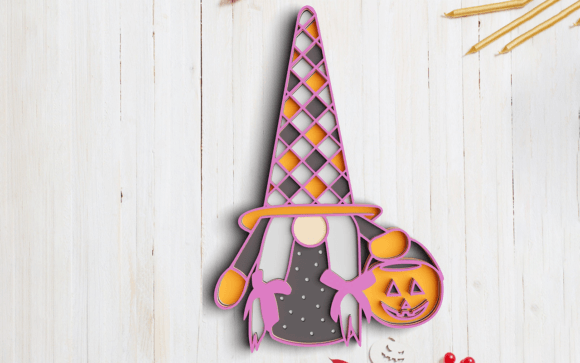
When you first open the file, the immediate takeaway is the clever fusion of two distinct aesthetic worlds: the whimsical, folk-art tradition of gnomes and the precise, hypnotic geometry of mandala art. This blend creates a mood that is festive yet refined. It avoids the tacky, overly cartoonish style that often plagues cheap Halloween graphics. Instead, it offers a modern design approach that feels suitable for a boutique handmade business or a high-end small business branding project.
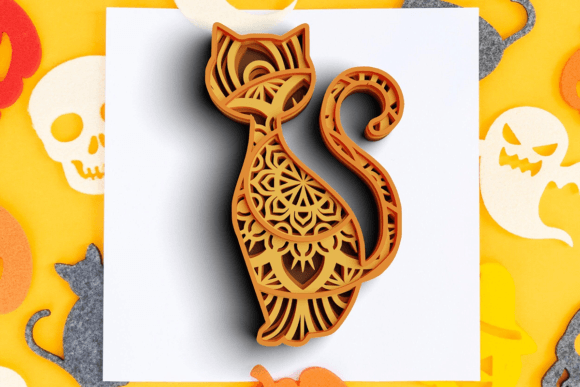
The five-layer structure is the standout feature here. In the context of laser cutting and autumn amp themes, this layering allows for depth and shadow play that flat designs simply cannot achieve. It suggests a tactile quality, making it an excellent choice for physical product mockups, whether that be wooden signs, acrylic keychains, or layered paper crafts. The visual trust factor increases significantly when a design element implies craftsmanship, and this asset delivers exactly that impression.
Real-World Application in Client Projects
I recently consulted for a local artisanal candle company launching a limited-edition fall collection. They needed social media graphics and product labels that stood out against the sea of standard pumpkin motifs. The 3D Halloween Gnome SVG DXF 5 Layers proved to be an ideal solution. By isolating specific layers of the mandala gnome, we created a cohesive brand identity that felt mysterious and elegant rather than childish.
This asset performs exceptionally well in several key areas:
- Packaging Design: The intricate lines work beautifully as die-cut patterns or embossed details on boxes and bags. It adds a premium feel to product packaging.
- Social Media Graphics: As a hero graphic for Instagram posts or Pinterest pins, the detailed layers draw the eye and encourage engagement. It serves as a strong focal point that balances well with typography.
- Merchandise and T-Shirt Design: When used for sublimation design or vinyl cuts, the clean vector paths ensure crisp edges. It translates perfectly onto tote bags, mugs, and apparel, offering a unique alternative to basic holiday icons.
- Editorial Design and Web Design: For blog visuals or website banners, the asset provides a rich texture that can anchor a layout. It works particularly well in dark-themed layouts where the contrast can be maximized.
Strategic Placement and Visual Hierarchy
While this is a powerful creative design tool, it requires careful handling to maintain professionalism. The complexity of the 3D mandala theme means it demands space. It should not be squeezed into crowded layouts or used as a tiny decorative accent in minimalist branding projects. If placed incorrectly, it can overwhelm the viewer and disrupt the visual hierarchy, making the core message of your marketing visuals hard to read.
I recommend using this asset in large layout areas where it can breathe. It shines as a standalone illustration or a background element that supports, rather than competes with, your primary text. For instance, in a flyer or poster, place the gnome design behind bold, legible sans serif font or a classic serif font to create a striking contrast between organic detail and structured typography. Avoid placing it next to script fonts or handwritten fonts unless you are highly skilled in balancing competing styles, as the result can quickly become cluttered and amateurish.
Technical Considerations for Designers
Before integrating any graphic design asset into a commercial project, rigorous testing is non-negotiable. Here are the practical steps I take before approving an asset like the 3D Halloween Gnome SVG DXF 5 Layers for a client:
- Black and White Test: Convert the design to pure black and white. This reveals if the shapes hold up without color reliance. If the form breaks down, the design lacks structural integrity.
- Contrast Check: Preview the asset on both light and dark backgrounds. Mandala designs often lose detail on busy or low-contrast backgrounds. Ensure the layers remain distinct and recognizable.
- Scale Testing: Resize the vector to very small dimensions (e.g., 1 inch) and very large dimensions (e.g., billboard size). At small sizes, fine mandala details may blur or merge. If it fails at small scales, it is unsuitable for sticker design or small product labels.
- File Format Inspection: Verify that the SVG is fully editable. Check if the layers are properly named and grouped. A disorganized file slows down workflow and increases the risk of errors during production.
- Mockup Integration: Place the design on real-world product mockups. Does it look like a natural part of the object? Does the lighting and texture complement the vector art?
Licensing and Commercial Use
One of the most critical aspects of using digital products is confirming the commercial license. Whether you are selling on Etsy, using print-on-demand services, or creating assets for a corporate client, you must ensure the asset allows for commercial use. The 3D Halloween Gnome SVG DXF 5 Layers is marketed for Cricut, Silhouette, and laser cut applications, which typically implies versatility, but always read the fine print. Some creators restrict resale or require attribution. Protect your business by verifying these terms upfront.
Final Verdict
The 3D Halloween Gnome SVG DXF 5 Layers is more than just a seasonal decoration; it is a versatile design asset that can elevate a brand’s visual language. Its blend of Halloween whimsy and mandala precision makes it suitable for a wide range of applications, from printable wall art to high-end packaging. However, its success depends entirely on how thoughtfully it is integrated into the overall design strategy.
For designers seeking to add depth, texture, and a touch of magical realism to their projects, this asset is a valuable addition to their library. Just remember to respect the space it needs, test it thoroughly, and align it with a clear brand identity. When done correctly, it transforms a simple concept into a memorable, polished, and commercially viable design.