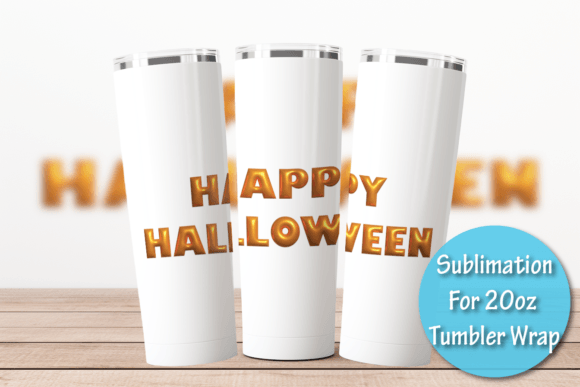
3D Happy Halloween Sublimation Image Review
As a designer who spends more time looking at stitch density charts than actual Halloween movies, I approach every new asset with a healthy dose of skepticism. The market is flooded with generic spooky graphics that look great on a screen but fall apart under the needle. That is exactly why I decided to put 3D Happy Halloween Sublimation Image through its paces. This isn’t just about whether it looks cute; it’s about whether it functions as a viable machine embroidery design for real-world applications like custom apparel, boutique merch, and personalized gifts.
First Impressions: Mood and Visual Personality
When you first load this file into your digitizing software, the immediate takeaway is the balance between "eerie" and "delightful." Too often, Halloween designs lean too hard into horror, alienating customers who want something festive rather than frightening. Conversely, some designs are so cutesy they lose the holiday spirit entirely. 3D Happy Halloween Sublimation Image strikes a sophisticated middle ground. It feels crafted for those who appreciate "eerie elegance"—a mood that translates exceptionally well into high-end handmade products.
The visual personality suggests a design that is meant to be seen clearly. Whether used as a standalone graphic or integrated into a larger composition, the shapes are distinct. For an Illustrations category item, it carries enough weight to stand alone on a product without needing excessive embellishment. This is crucial for designers who want to minimize thread usage while maximizing impact. The "sublimation" aspect of the title hints at a vibrant color palette, which we will discuss in terms of thread selection later, but visually, it promises a crisp, modern aesthetic that fits seamlessly into contemporary craft business trends.
Real-World Application: From Screen to Stitch
Let’s talk about where this design actually lives. In my recent workflow, I was preparing a batch of custom embroidered tote bags for a local pop-up shop. These items need to be durable, stylish, and instantly recognizable. I tested 3D Happy Halloween Sublimation Image on a heavy-duty canvas tote. The result was immediate clarity. Because the design relies on strong outlines and balanced negative space, it held up beautifully against the textured fabric.
This type of embroidery project works exceptionally well for:
- Custom Apparel: Sweatshirts and hoodies benefit from the bold nature of this design. It reads well even from a distance, making it perfect for holiday parties or themed events.
- Baby Items: The "happy" aspect of the theme makes it safe for nursery decor or baby onesies. It adds a touch of seasonal charm without being overwhelming.
- Holiday Gifts: Personalized kitchen towels or aprons featuring this graphic feel thoughtful and timely. It elevates a simple gift into a branded experience.
- Etsy Seller Inventory: For digital product sellers, this serves as a fantastic base for printable mockups. You can showcase how the design looks on various backgrounds before selling the physical finished product.
I also experimented with using it as an embroidered patch to attach to denim jackets. The clean lines allowed for a neat satin stitch border, giving the final piece a professional, boutique-quality finish. Customers respond well to designs that look intentional and polished, and this one delivers that level of professionalism.
Technical Considerations and Potential Pitfalls
No design is perfect, and transparency is key for any serious reviewer. While 3D Happy Halloween Sublimation Image is robust, there are specific scenarios where you need to exercise caution. Embroidery is a tactile medium, and what looks good in 2D can sometimes struggle in 3D.
Here are areas where you should slow down and test thoroughly:
- Small Hoop Sizes: If you plan to use this on tiny accessories like hair bows or small patches, ensure the details remain legible. Tiny lettering or intricate corners can get lost if the hoop size restricts the placement.
- Textured and Stretchy Fabrics: Avoid placing this on highly textured fabrics like bouclé or stretchy knits without proper stabilization. The design’s clean lines might distort if the fabric shifts during stitching.
- Dense Stitch Areas: Check the stitch density in your software. If the fill stitches are too dense, the fabric may pucker, especially on lightweight materials like tea towels or thin cotton blends.
- Curved Surfaces: While caps and hats are popular, curved surfaces can distort flat graphics. Test this design on a cap frame to ensure the perspective remains natural.
Additionally, consider the thread colors. Since this is described as a sublimation image, it likely features bright, saturated colors. When translating this to thread, you must choose high-quality polyester threads that mimic those vibrancies. Low-quality thread can make a premium design look cheap, undermining the "eerie elegance" vibe.
Design Assets and Commercial Viability
For craft business owners and Etsy sellers, the versatility of this digital embroidery file is its strongest selling point. It bridges the gap between traditional handcrafted aesthetics and modern digital art. When you present this as part of your design assets, you are offering clients a product that feels both nostalgic and current.
Think about the customer journey. A buyer browsing your shop sees a photo of a sweatshirt with this design. They perceive it as a personalized gift option because it has character. They trust the quality because the edges are sharp and the composition is balanced. This trust translates directly into sales. Furthermore, if you are creating printable mockups for digital downloads, this graphic provides a realistic preview of how the final product will look, reducing return rates and increasing buyer satisfaction.
Practical Designer Notes for Success
Before you commit to a full production run, follow these practical steps to ensure your finished product meets professional standards:
- Test on Scrap Fabric: Always run a test stitch on the exact fabric you intend to use. This reveals issues with tension, stabilizer choice, and thread contrast immediately.
- Check Black and White Mockups: Convert the design to grayscale to check contrast. If the elements blend together, you may need to adjust the spacing or add a backing layer.
- Confirm Licensing: Verify the license terms before selling finished items. Ensure you have commercial rights for the number of units you plan to produce.
- Use Proper Stabilizer: Match your stabilizer to the fabric weight. A heavy cut-away stabilizer might be necessary for sweatshirts, while a tear-away could suffice for stable cottons.
- Inspect Small Details: Zoom in on the digitized file. Are there any overly fine lines that might break? Are the satin stitch angles optimized to prevent thread breaks?
In conclusion, 3D Happy Halloween Sublimation Image is a strong contender for anyone looking to add seasonal flair to their inventory. It offers the right mix of thematic charm and structural integrity to work across a wide range of products, from tote bag design projects to delicate baby embroidery pieces. By paying attention to fabric choice, thread quality, and stabilization, you can transform this graphic into a standout handmade product that customers will love. Just remember to test, refine, and always prioritize the tactile experience of the final stitch.