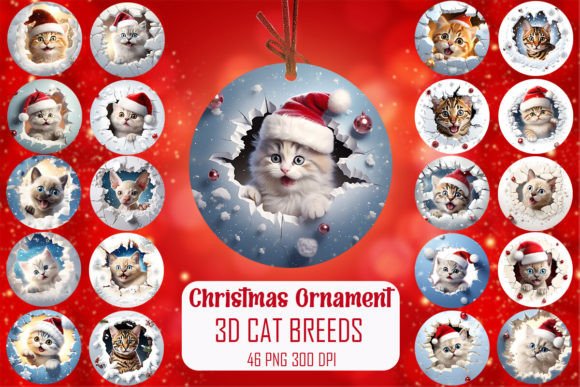
Cute Bunny 3D Christmas Ornament Clipart Review
As a designer who spends more time staring at stitch density charts and fabric swatches than scrolling through social media, I approach every new machine embroidery design with a healthy dose of skepticism. The market is flooded with clipart that looks charming on a screen but falls apart when the needle hits the thread. That is exactly why I decided to put the Cute Bunny 3D Christmas Ornament Clipart through its paces. I wanted to see if this graphic holds up as a viable asset for real-world projects, from high-end boutique merchandise to quick personalized gifts for friends.
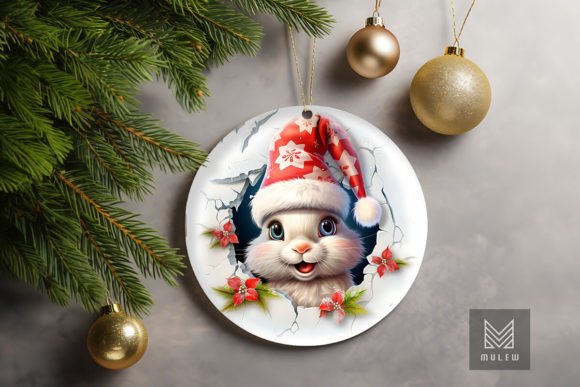
The first thing you notice about this design is its festive personality. It isn’t just a generic bunny; it carries that specific "3D" aesthetic that implies depth and texture even in a flat digital file. For an embroidery project, this visual cue is crucial because it tells the embroiderer where to place shadows and highlights using thread colors. My initial impression was positive. The mood is warm, playful, and undeniably holiday-focused without being overly cluttered. It feels like a design that belongs on a well-curated shelf in a handmade shop, not buried in a discount bin.
Real-World Application: From Screen to Stitch
I don’t review designs in a vacuum. To truly evaluate the Cute Bunny 3D Christmas Ornament Clipart, I imagined it applied to several common products. Let’s start with a custom embroidered tote bag. This is a staple for any Etsy seller or craft business owner during the Q4 rush. When I visualize this bunny centered on a canvas tote, the clean lines of the ornament shape allow the design to stand out against the heavy weave of the fabric. However, I immediately thought about placement. If this were placed near the handle attachment, the stress points might distort the delicate curves of the bunny’s ears. A central chest placement would be far safer for maintaining the integrity of the stitch density.
Next, I considered baby clothes. There is a massive market for personalized gift items for newborns and toddlers. This design has a softness to it that works beautifully on onesies or burp cloths. The "3D" aspect suggests volume, which translates well to satin stitches used for outlines or fill stitches for the body. But here is the practical catch: babies sweat, they spit up, and their parents wash those clothes on high heat. If the underlying design relies too heavily on tiny, intricate details that could fray after ten washes, it loses its value. I had to inspect the smaller elements of the ornament clipart to ensure they weren’t so fine that they would disappear into the fabric texture over time.
I also looked at this design through the lens of apparel decorators thinking about sweatshirt embroidery. A crewneck sweatshirt is a classic vehicle for holiday graphics. The contrast between the soft fleece and the structured look of a machine embroidery design creates a premium feel. The bunny ornament acts as a focal point, drawing the eye immediately. It’s the kind of design that makes a customer stop and ask, "Where did you get that?" which is the holy grail for any small shop product creator. It elevates a basic garment into something special, justifying a higher price point.
Technical Considerations and Fabric Choices
While the artistic merit is clear, we need to talk about execution. Not all fabrics play nice with every design. I found myself thinking carefully about where this Cute Bunny 3D Christmas Ornament Clipart should be used carefully. For instance, applying this to a stretchy knit cap might result in puckering if the stabilizer isn’t chosen correctly. The curvature of a hat changes how the eye perceives the "3D" effect. If the design is too large for the limited hoop space on a cap, the perspective might look distorted rather than dimensional.
Textured fabrics are another area requiring caution. If you try to embroider this on a chunky wool blanket or a rough burlap, the fabric texture will compete with the smooth lines of the bunny. You risk losing the definition of the ornament’s ribbon or bow. In these cases, a sturdy cut-away stabilizer is non-negotiable to prevent the fabric from sinking into the stitches. Similarly, dark fabrics require a different strategy. If the original clipart is designed with light threads in mind, you might need to add a backing layer or adjust your color palette to ensure the white or pastel parts of the bunny pop against the dark background. Testing on scrap fabric is the only way to confirm this before ruining a final product.
Design Assets and Commercial Viability
For those of us selling digital product sellers or creating design assets, the versatility of this clipart is key. Does it work as a standalone image? Yes. Can it be resized without losing quality? Ideally, yes, though vector-based origins are always preferred for scaling. When creating printable mockups for clients, having a high-quality base image like this saves hours of editing. It provides a professional foundation that says "quality" before the buyer even sees the stitching.
However, commercial viability hinges on licensing. Before you start slapping this on custom apparel to sell at craft fairs, you must verify the terms. Some clipart allows personal use only, while others permit unlimited commercial sales of finished goods. Assuming the license permits it, this design fits neatly into categories like holiday embroidery, nursery decor, and wedding favors. It has a broad appeal that transcends niche markets, making it a safe bet for inventory planning.
Final Verdict and Designer Notes
So, does the Cute Bunny 3D Christmas Ornament Clipart earn a spot in my workflow? Absolutely. It strikes a balance between cute and sophisticated, making it suitable for both hobbyists and serious entrepreneurs. It enhances brand consistency by offering a recognizable, cheerful motif that customers associate with the joy of the season. It boosts buyer engagement because it taps into the emotional desire for warmth and tradition.
To get the best results, remember these practical tips:
- Test First: Always run a test stitch on a scrap of your actual production fabric. This reveals issues with tension or stabilizer choice early.
- Check Contrast: Ensure your thread colors provide enough contrast against the fabric, especially for the finer details of the 3D effect.
- Hoop Size Matters: Confirm that the hoop size accommodates the entire design without awkward trimming or re-hooping.
- Inspect Details: Zoom in on the digital file. Are there tiny elements that might become muddy blobs when stitched? If so, consider simplifying or omitting them.
- Black and White Mockup: View the design in grayscale to check for balanced composition and weight distribution.
If you are an apparel decorator looking to refresh your winter catalog, or a maker wanting to create unique handmade product lines, this clipart offers strong potential. It’s not just a pretty picture; it’s a functional tool for building a profitable, creative business. Just do your due diligence on the technical specs and licensing, and you’ll have a winning finished product that customers will love.