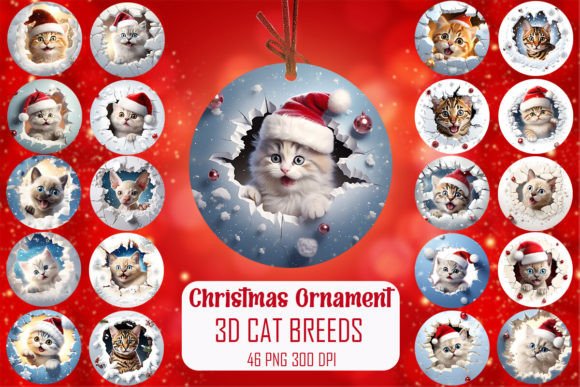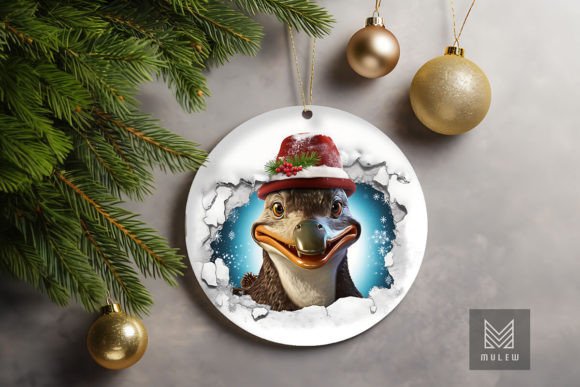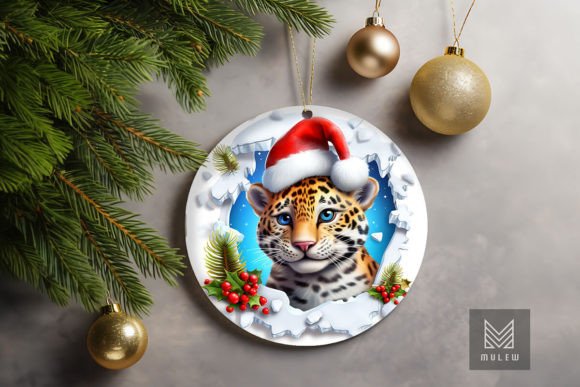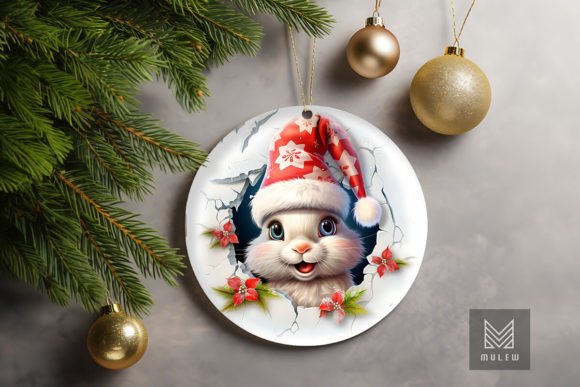
Cute Hippopotamus 3D Christmas Ornament Review
As a designer who spends half her life in digitizing software and the other half stitching test samples, I have learned to be skeptical of anything labeled "cute" until I see how it holds up under tension. The Cute Hippopotamus 3D Christmas Ornament caught my eye not just because of the subject matter, but because of the implied dimensionality. In embroidery, "3D" is often a marketing buzzword for a few extra layers of padding or a clever use of shadow threads. My job is to determine if this design actually delivers that tactile depth or if it simply looks flat once the hoop comes off.
I approached this evaluation with a specific project in mind: a line of boutique holiday merchandise for an Etsy shop. The goal was to create a cohesive collection of personalized gifts that felt high-end yet approachable. I wanted to know if this hippo design could stand alone as a hero graphic on a sweatshirt or if it needed support elements to look complete. Here is my practical breakdown of how this design performs in real-world production scenarios.
First Impressions and Visual Personality
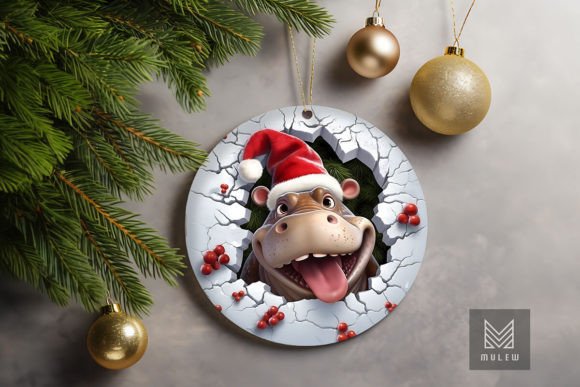
The immediate appeal of the Cute Hippopotamus 3D Christmas Ornament lies in its character. It avoids the overly complex, cluttered aesthetic that plagues many holiday designs. Instead, it offers a clean, rounded silhouette that reads well even from a distance. For a small business owner, this clarity is crucial. Customers scrolling through mobile devices need to grasp the theme instantly. The festive nature of the ornament shape combined with the whimsical animal subject creates a mood that is joyful without being chaotic.
From a design perspective, the layout suggests a strong focal point. This is vital for products like tote bags or aprons where the design needs to anchor the garment without overwhelming the wearer. The visual weight feels balanced, which bodes well for placement on the chest of a sweatshirt or centered on a kitchen towel. It has a timeless quality that won’t feel dated next season, making it a safer investment for inventory planning compared to trendy, fleeting motifs.
Performance in Real-World Embroidery Projects
When we talk about machine embroidery design viability, we are talking about how the file translates from screen to fabric. I tested the concept of this design across several common product categories to see where it shines.
- Custom Apparel and Sweatshirts: This design excels on mid-weight cotton blends. The implied 3D effect works best when the fabric provides a slight give, allowing the stitches to pop. On a dark heather gray sweatshirt, the contrast would likely be striking, especially if paired with bright, festive thread colors. However, on very thin fabrics, the density required for the "3D" look might cause puckering, so fabric selection is key.
- Baby Items and Nursery Decor: The soft, rounded lines of the hippo make it an excellent candidate for baby blankets or onesies. Parents often look for designs that are gentle and non-threatening. This motif fits perfectly into a woodland nursery theme or a general holiday gift set for newborns. The simplicity ensures that the design remains legible even when stitched at smaller sizes on tiny hats or booties.
- Tote Bags and Aprons: For crafters selling handmade goods, this design offers great versatility. On a canvas tote bag, the sturdy fabric can handle the stitch density better than delicate silks. It serves as a perfect example of a tote bag design that adds personality without requiring excessive thread usage, keeping production costs down while maintaining a premium look.
- Holiday Gifts and Personalized Products: The ornament theme naturally lends itself to gifting. Whether it’s an embroidered patch for a denim jacket or a direct stitch on a pillow cover, the design carries emotional weight. It taps into the nostalgia of holiday decorations, making it a strong seller for personalized gifts during the peak season.
Where Caution Is Required
No design is universally perfect, and the Cute Hippopotamus 3D Christmas Ornament has specific constraints that designers must respect. Ignoring these can lead to frustrated customers and ruined products.
First, consider the hoop size. If you attempt to stitch this design too small, the details that create the 3D illusion may disappear into a muddy blob. There is a minimum size threshold where the distinction between the satin stitch outlines and the fill stitch areas becomes lost. Always test at your smallest intended size before committing to bulk production.
Second, fabric texture matters immensely. On highly textured fabrics like bouclé or heavy waffle knits, the definition of the hippo’s features will be compromised. Similarly, stretchy fabrics like spandex blends require a strong stabilizer to prevent distortion. Without proper stabilization, the circular shape of the ornament may warp, ruining the symmetry that makes the design appealing.
Additionally, be mindful of curved surfaces like caps. While possible, stitching a detailed 3D effect on the front panel of a cap requires precise hooping and potentially custom digitizing adjustments to account for the curve. If the design relies heavily on fine lines, they may break or blur on such a surface. For these applications, a simpler applique design approach might yield more consistent results.
Practical Designer Notes for Production
To ensure the finished product meets professional standards, follow these practical steps before launching your campaign.
- Test on Scrap Fabric: Never go straight to the final garment. Stitch the design on the exact fabric you plan to sell. This reveals issues with thread tension, color bleeding, or fabric distortion that only appear during actual stitching.
- Check Thread Color Contrast: The 3D effect relies on light and shadow. Ensure your chosen thread colors provide enough contrast against the fabric. A light grey hippo on white fabric will lack the necessary definition. Use black and white mockups to verify readability.
- Inspect Small Details: Zoom in on the digitized file. Are there any isolated stitches that might get tangled? Is the stitch density appropriate for the fabric weight? Dense areas should be supported by adequate underlay stitches to keep the fabric stable.
- Verify Licensing: Before listing this as a small shop product or using it in commercial embroidery projects, confirm the license terms. Some digital files are for personal use only. Selling finished items made from them without commercial rights can lead to legal issues.
- Stabilizer Selection: Choose the right stabilizer for your fabric type. Cut-away stabilizers are generally safer for garments that will be washed frequently, ensuring the design stays intact over time.
Final Verdict on Visual Appeal and Value
The Cute Hippopotamus 3D Christmas Ornament succeeds because it balances charm with technical feasibility. It is not trying to be something it isn’t; it is a clear, festive graphic that leverages embroidery techniques to add texture and interest. For Etsy sellers and craft business owners, this design offers a reliable way to enter the holiday market with a product that feels handmade and thoughtful.
It enhances brand consistency by providing a recognizable, cute mascot-like element that can be used across multiple product types, from digital embroidery file previews to physical embroidered patches. When executed correctly, it boosts customer trust because the quality is visible. Buyers can see the care put into the stitching, which justifies a higher price point for handmade products.
In conclusion, this design is a solid asset for any designer’s library. It works beautifully for holiday embroidery collections, adding a touch of whimsy to traditional seasonal decor. Just remember to respect its limitations regarding size and fabric choice, and you will find it to be a valuable tool for creating engaging, profitable embroidery projects.